FORCE-UI Team
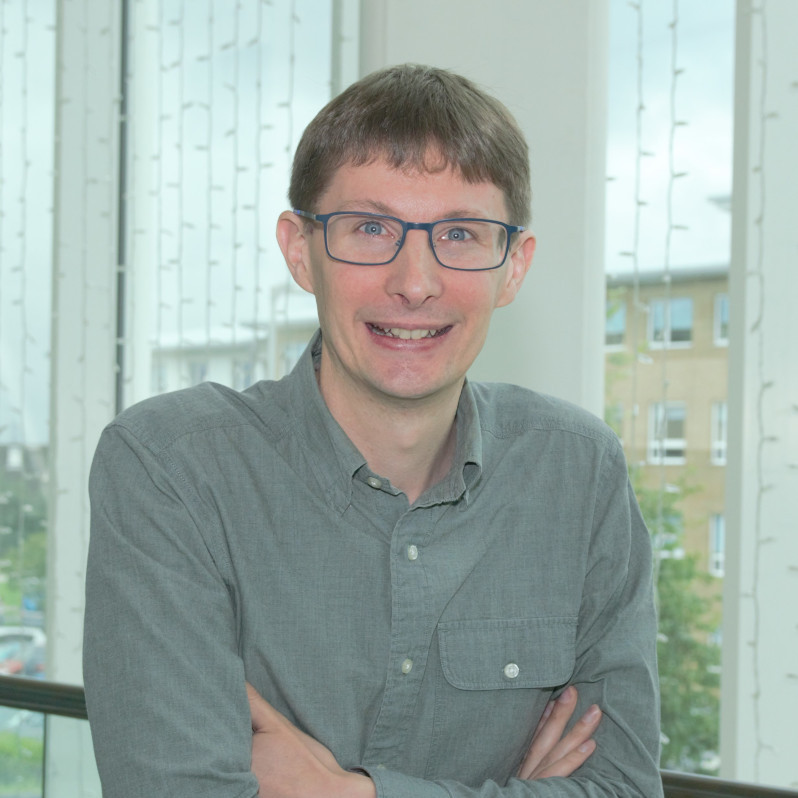
Prof Jason Alexander, Principal Investigator
Professor of Human-Computer Interaction in the Department of Computer Science at the University of Bath. His primary research area is Human-Computer Interaction, with a particular interest in developing novel interactive systems that straddle the physical-digital interface.
Homepage Twitter
Professor of Human-Computer Interaction in the Department of Computer Science at the University of Bath. His primary research area is Human-Computer Interaction, with a particular interest in developing novel interactive systems that straddle the physical-digital interface.
Homepage Twitter


Dr Kim Sauvé, Research Associate
I recently finished my PhD titled “Towards Context-Senstivie Physicalization Design” at Lancaster University, UK. My PhD research focused on investigating the impact of physicality and contextual factors on physicalizations, to gain a deeper understanding of how they are experienced and interacted with in physical 3D space.
Homepage Twitter LinkedIn
I recently finished my PhD titled “Towards Context-Senstivie Physicalization Design” at Lancaster University, UK. My PhD research focused on investigating the impact of physicality and contextual factors on physicalizations, to gain a deeper understanding of how they are experienced and interacted with in physical 3D space.
Homepage Twitter LinkedIn

James Nash, PhD Candidate

Teodora Dinca, PhD Candidate

Dr Chris Clarke, Associated Academic
My research aims to push the boundaries of how users interact with computer interfaces by methodically researching, developing, and evaluating interactive systems which leverage novel input methods. My research includes novel interaction techniques, computer vision-based gestural interaction, eye tracking interaction, wearable technologies, and interaction in extended reality (AR/VR).
Homepage Twitter LinkedIn
My research aims to push the boundaries of how users interact with computer interfaces by methodically researching, developing, and evaluating interactive systems which leverage novel input methods. My research includes novel interaction techniques, computer vision-based gestural interaction, eye tracking interaction, wearable technologies, and interaction in extended reality (AR/VR).
Homepage Twitter LinkedIn
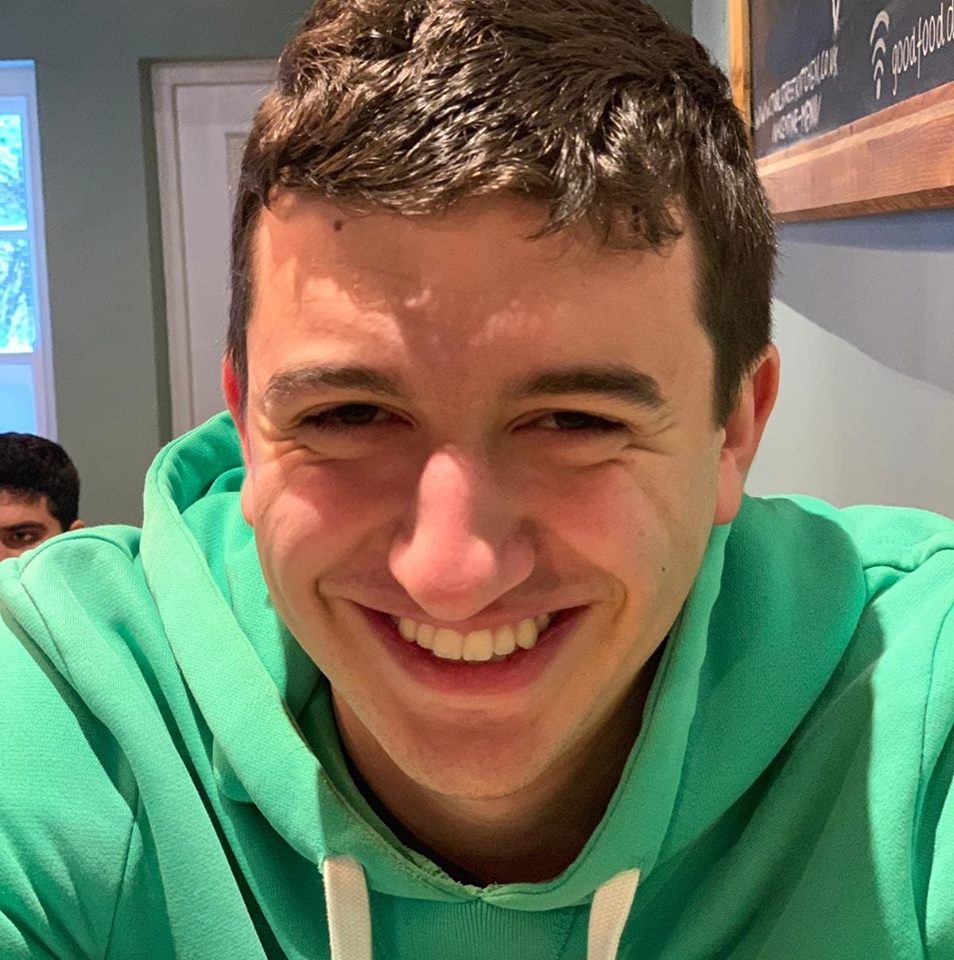
Dr Ollie Hanton, Associated Academic
I have a keen interest in 3D printing and am looking to expand what we are able to achieve by approaching display fabrication using spray painting. This has led me to studying how spray painting can apply active materials to irregular surfaces and what kind of applications we can explore using spraying.
Homepage Twitter LinkedIn
I have a keen interest in 3D printing and am looking to expand what we are able to achieve by approaching display fabrication using spray painting. This has led me to studying how spray painting can apply active materials to irregular surfaces and what kind of applications we can explore using spraying.
Homepage Twitter LinkedIn

Dr Adwait Sharma, Associated Academic
My research focuses on enabling interaction with computers in challenging situations. Specifically, while users' hands are encumbered holding everyday objects. This always-available input has a wide range of applications, from controlling mobile devices when on the move to controlling systems in healthcare contexts.
Homepage Twitter LinkedIn
My research focuses on enabling interaction with computers in challenging situations. Specifically, while users' hands are encumbered holding everyday objects. This always-available input has a wide range of applications, from controlling mobile devices when on the move to controlling systems in healthcare contexts.
Homepage Twitter LinkedIn

Alexz Farrall, Associated EngD Candidate
Alexz is exploring how digital mental health interventions can be more effective, efficient, and engaging through the development and incorporation of Physical Artefacts for Well-being Support (PAWS).
LinkedIn
Alexz is exploring how digital mental health interventions can be more effective, efficient, and engaging through the development and incorporation of Physical Artefacts for Well-being Support (PAWS).